






If you’re planning to build a home or a commercial space, you’ve probably come across the term “turnkey” and wondered what it actually means. In simple words, a turnkey project in construction is one where a single contractor handles everything from design to final handover, so all you need to do is “turn the key” and walk into a finished, ready-to-use building.
This approach removes the stress of managing multiple vendors, contractors, and decisions on your own. Instead, one company takes complete responsibility for the entire construction journey.
Quick Answer
A turnkey project in construction is a complete building solution where one contractor manages design, approvals, construction, and finishing, delivering a fully ready building to the client. The client is not involved in day-to-day execution and simply receives the keys once the project is complete.
What Is a Turnkey Project in Construction?
The word “turnkey” comes from the idea that the building is handed over in a condition where the owner only needs to turn the key and move in no pending work, no loose ends.
In a turnkey construction project, a single company manages:
- Architectural design
- Structural planning
- Government approvals
- Material procurement
- Civil construction
- Interior finishing (in many cases)
- Final handover
Unlike traditional construction, where you might hire a separate architect, contractor, and interior team, a turnkey construction company brings all of this under one roof. You sign one turnkey contract, and the company is accountable for the entire outcome.
For example, if you’re building a home, a turnkey construction meaning in practice would be: you share your requirements and budget, the company designs the house, gets approvals, builds it, finishes the interiors, and hands over a move-in-ready home.

How Does a Turnkey Construction Project Work?
A turnkey construction project typically follows a structured, step-by-step process:
- Consultation – Understanding client needs, budget, and site conditions
- Design – Creating architectural and structural plans based on requirements
- Planning – Finalising materials, timelines, and cost estimates
- Approvals – Securing necessary permits and regulatory clearances
- Construction – Executing civil work as per approved plans
- Interior finishing – Completing flooring, painting, fittings, and fixtures (if included in scope)
- Final handover – Delivering a ready-to-use building to the client
Because one team manages every stage, there’s better coordination and fewer delays caused by miscommunication between separate vendors.
Benefits of Turnkey Construction
Understanding the benefits of turnkey construction helps explain why many homeowners and business owners prefer this model over traditional construction.
- Single point of responsibility – One company is accountable for the entire project, so there’s no blame-shifting between architects, contractors, and vendors
- Better cost control – A defined turnkey contract usually means fewer unexpected cost escalations
- Faster completion – Centralised planning and execution often reduce project timelines
- Reduced client involvement – You don’t need to manage daily site visits or vendor coordination
- Quality assurance – One team overseeing the full project tends to maintain consistent quality standards
- Less coordination between vendors – No need to separately manage architects, contractors, plumbers, and electricians
These turnkey project advantages make the model especially appealing to people who don’t have the time or expertise to manage construction themselves.
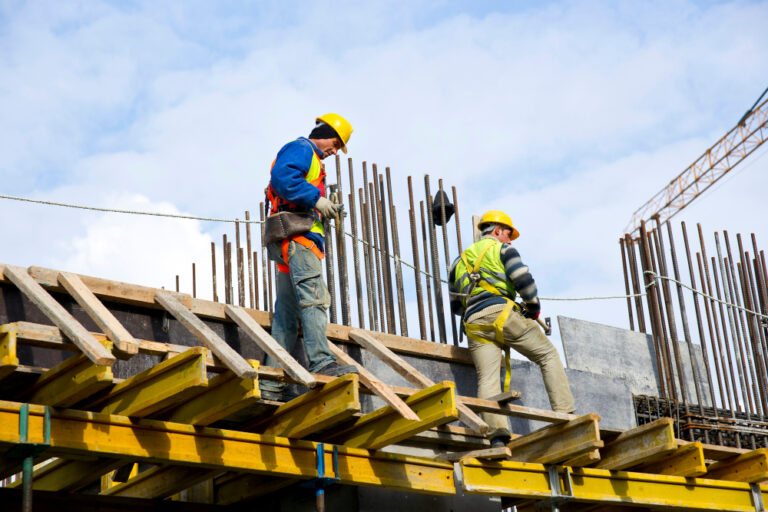
Turnkey Construction vs Traditional Construction
| Factor | Turnkey Construction | Traditional Construction |
|---|---|---|
| Responsibility | Single contractor | Split across multiple vendors |
| Cost Management | Fixed, pre-agreed contract | Variable, depends on each vendor |
| Timeline | Generally faster | Often slower due to coordination gaps |
| Communication | One point of contact | Multiple points of contact |
| Risk | Shared by the turnkey company | Largely borne by the client |
| Flexibility | Moderate, based on contract terms | Higher, client controls each stage |
| Client Involvement | Minimal | High |
This is sometimes compared to design and build construction, where design and execution are combined turnkey projects take this a step further by including finishing and handover as well.
Is a Turnkey Project Right for You?
Turnkey construction works well in several situations, including:
- Residential homes – Ideal for families who want a stress-free building experience
- Villas – Especially useful when owners are not based locally during construction
- Commercial buildings – Businesses that want to focus on operations, not construction management
- Offices – Companies needing a functional, ready-to-use workspace quickly
- Warehouses – Projects that require speed and standardised construction
- Industrial projects – Large-scale builds where coordination between multiple vendors would otherwise be complex
If you value convenience, predictable timelines, and single-point accountability, a turnkey project could be the right choice for your next build.
Conclusion
Understanding what is turnkey project in construction helps you make a more informed decision before starting your building journey. Instead of juggling architects, contractors, and vendors separately, a turnkey construction project gives you one accountable partner from design to handover.
While it may not suit every situation, the benefits of turnkey construction including cost control, faster timelines, and reduced client involvement, make it a practical option for many homeowners and businesses.
If you’re planning a project and want a hassle-free building experience, it’s worth consulting an experienced construction company to understand how a turnkey approach could work for your specific needs.
FAQ
What is a turnkey contract? A turnkey contract is an agreement where one contractor takes full responsibility for a project from design and approvals to construction and handover. The client receives a completed, ready-to-use building at the end, without managing separate vendors.
What is included in a turnkey project? A turnkey project typically includes design, structural planning, approvals, civil construction, and often interior finishing. The exact scope depends on the contract, so it’s important to clarify inclusions before signing.
Is turnkey construction more expensive? Not necessarily. While the upfront quote may seem higher than piecemeal hiring, turnkey construction often reduces hidden costs, delays, and coordination expenses, making the overall value more predictable.
What is the difference between turnkey and design-build? Design-build combines design and construction under one contractor, while turnkey construction goes further by including finishing and full handover, so the client receives a completely ready building.
Are turnkey projects suitable for residential homes? Yes, turnkey projects are well suited for residential homes, especially for owners who want a single point of contact and minimal day-to-day involvement during construction.