




Introduction
Infrastructure development projects generally reflect many things. They reflect vision, perseverance, engineering skills, and people. The Omkaranathan Indoor Stadium in Kalpetta, Wayanad, is an infrastructure development project that reflects many things. It reflects vision, perseverance, engineering skills, and people.
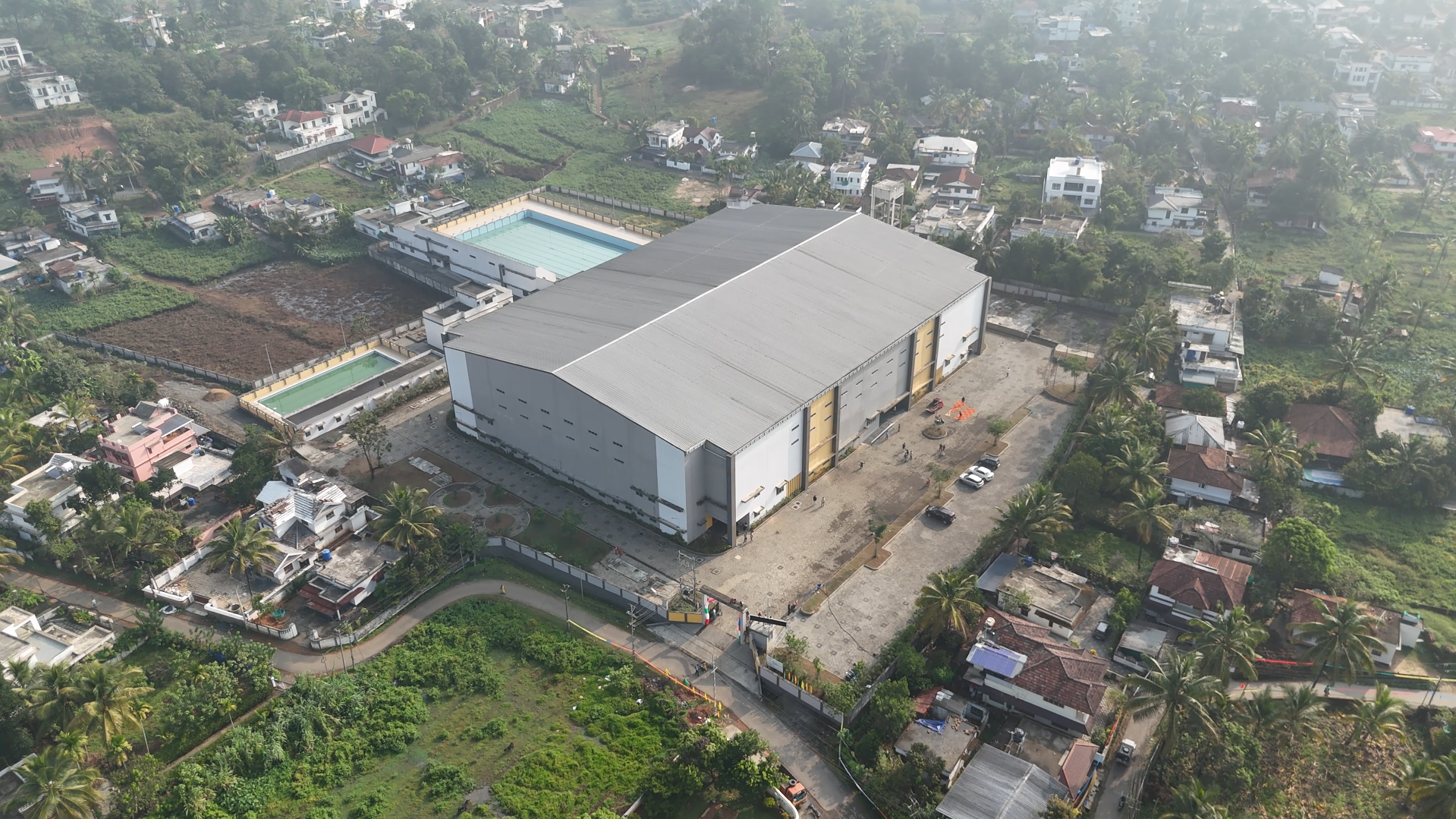
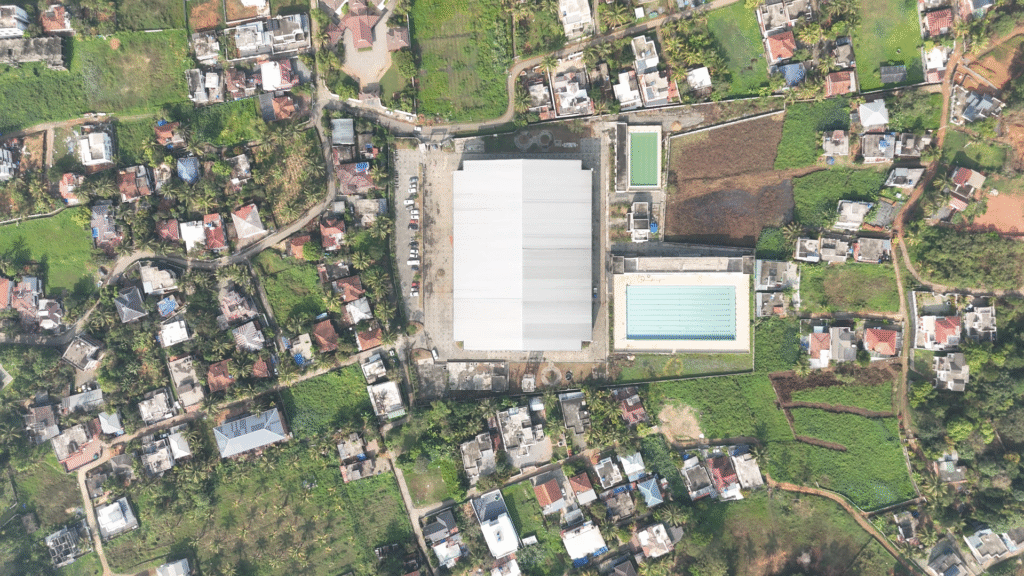
Located in the heart of the Wayanad district in the hilly region of Kerala, the stadium has now emerged as one of the most important infrastructures in the region. What makes the Omkaranathan Indoor Stadium project even more interesting is the high degree of engineering that has been put into it.
Right from the beginning of the project, the responsibility of executing the construction work of the Omkaranathan Indoor Stadium was handed over to Lee Builders. It is interesting to note that despite the difficulties that were present during the execution of the project, the company has successfully completed the work within the stipulated time.
With an overall value of ₹38 crore, the Omkaranathan Indoor Stadium has now emerged as an important milestone in the infrastructure development sector in the state of Kerala.
A Vision for Modern Sports Infrastructure in Wayanad
The district of Wayanad has always been recognized for its beauty, mountains, and the high spirits of the people living there. But the development of such large infrastructure projects needs specific planning and construction skills.
The idea behind the construction of the Omkaranathan Indoor Stadium in Kalpetta was to build an indoor stadium that could accommodate indoor games, sports, and other activities. The idea was to develop a large indoor arena that could support various sporting activities and provide a safe environment for the sportspersons.
The construction of such an arena in the region of Wayanad was not only about the vision and idea behind the construction of the arena but also about the engineering skills that could adapt well to the geographic location of the region.
From the initial stages of the construction of the arena to the final stages, Lee Builders was at the center of the construction of the Omkaranathan Indoor Stadium.
Construction in Challenging Terrain
Wayanad’s terrain presents unique challenges for construction projects. Unlike urban construction environments where transportation and accessibility are easier, building large infrastructure in hilly regions requires careful logistical planning.
The Omkaranathan Indoor Stadium project faced similar challenges from the beginning.
The site was located in an area where access roads were narrow, making the transportation of construction materials a complex task. Moving heavy structural steel, construction equipment, and building materials required precise coordination and scheduling.
Each stage of the project required careful planning to ensure that materials reached the site safely and on time without disrupting the surrounding area.
In addition to logistical challenges, the region experienced landslide incidents and heavy rainfall during the construction period. These environmental conditions made construction work even more demanding, requiring additional safety precautions and adjustments in project scheduling.
Despite these challenges, the construction team continued to work steadily, ensuring that progress remained consistent throughout the project timeline.
Overcoming Logistics Challenges
The topography of Wayanad poses special difficulties for construction works. Unlike the usual construction sites found in cities, where transportation is not a problem, the topography of the region poses difficulties for the construction of large infrastructure projects.
The construction of the Omkaranathan Indoor Stadium was not an exception to the difficulties that can be expected in the region.
The construction site was located in an area where the roads leading to the site were narrow. This posed a great challenge for the transportation of materials to the construction site. The transportation of structural steel, equipment, and materials for the construction of the building was a complex activity.
Each step of the construction process was carefully planned to ensure that materials reached the construction site safely and on time, without disturbing the region.
Besides the difficulties presented by the topography of the region, the region experienced landslips and rainfall during the construction period. The environmental conditions posed an additional challenge to the construction process.
Despite the difficulties experienced during the construction of the Omkaranathan Indoor Stadium, the construction team worked steadily to ensure that the construction process was consistent with the expected timeline.
Engineering Excellence: The 70-Metre Clear Span Structure
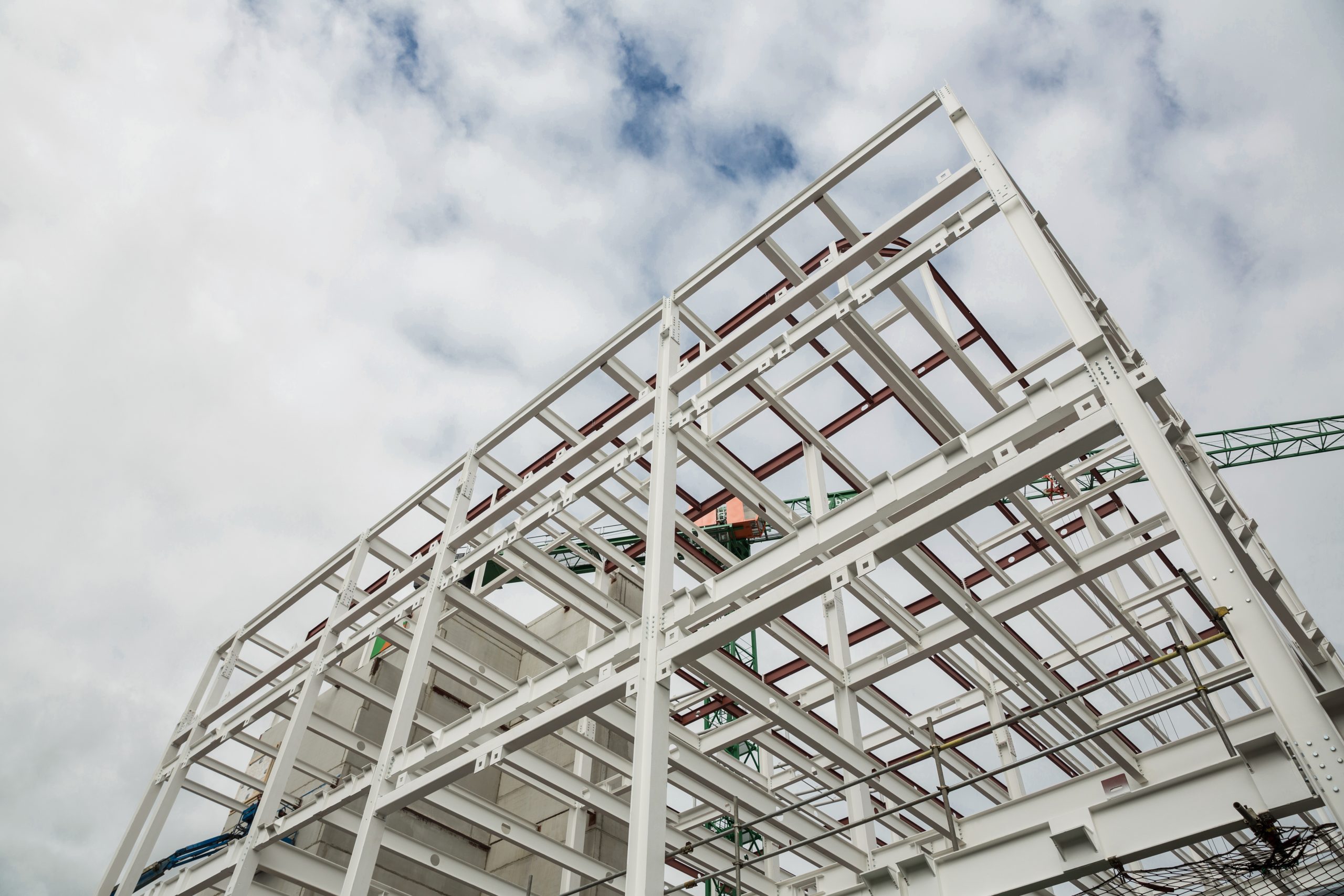
The most impressive feature of the Omkaranathan Indoor Stadium is the 70-meter clear-span roof.
The clear-span roof means that the roof is supported but that there are no pillars in the middle of the playing area. This is important because the playing area must be unobstructed.
The design of the roof of such a large space must be carefully calculated and constructed. Every part of the roof must be designed and constructed in such a way that the load is distributed evenly and that the roof is stable and long-lasting.
The construction of the Omkaranathan Indoor Stadium’s roof, which spans 70 meters without pillars in the middle, is a remarkable engineering feat.
The construction of the different parts of the roof and the transportation of the parts to the construction site required skill and precision. Every step of the construction of the roof must be carefully done.
The finished Omkaranathan Indoor Stadium is now one of the largest clear-span indoor stadiums in Kerala, showing the skill of Lee Builders.
Delivering a ₹38 Crore Project on Time
Large construction projects often face delays due to technical difficulties, environmental conditions, or logistical challenges. However, one of the most notable aspects of the Omkaranathan Indoor Stadium project is that it was completed on schedule despite the difficulties involved.
With a total project value of ₹38 crore, the stadium represents a major investment in sports infrastructure for the region.
Delivering such a project on time required:
- Detailed project planning
- Efficient resource management
- Strong coordination between engineering and construction teams
- Continuous monitoring of construction progress
The successful and timely completion of the project reflects the company’s commitment to professionalism and quality execution.
For communities waiting to use such facilities, timely project delivery is just as important as structural excellence.
A Facility Designed for the Community
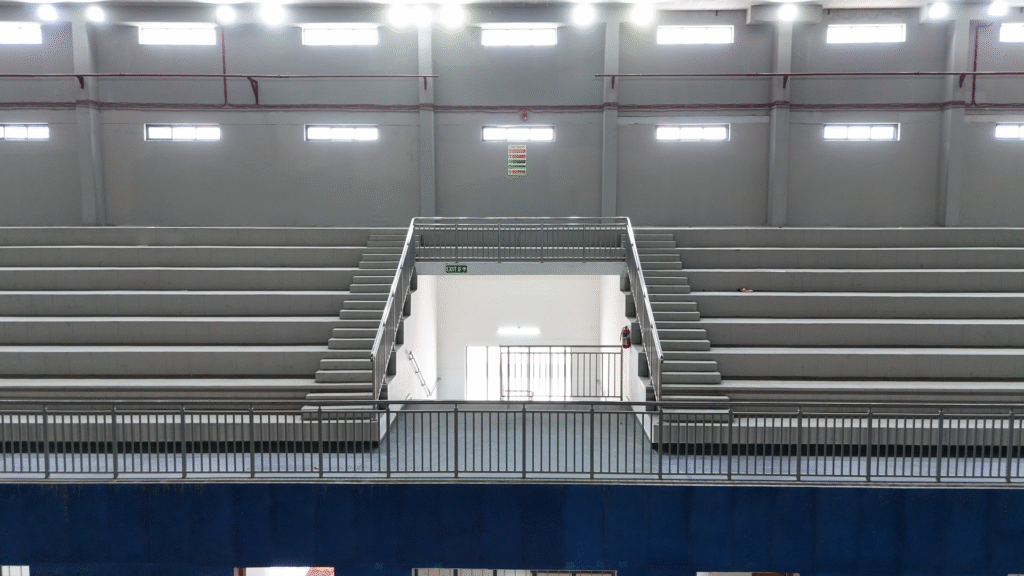
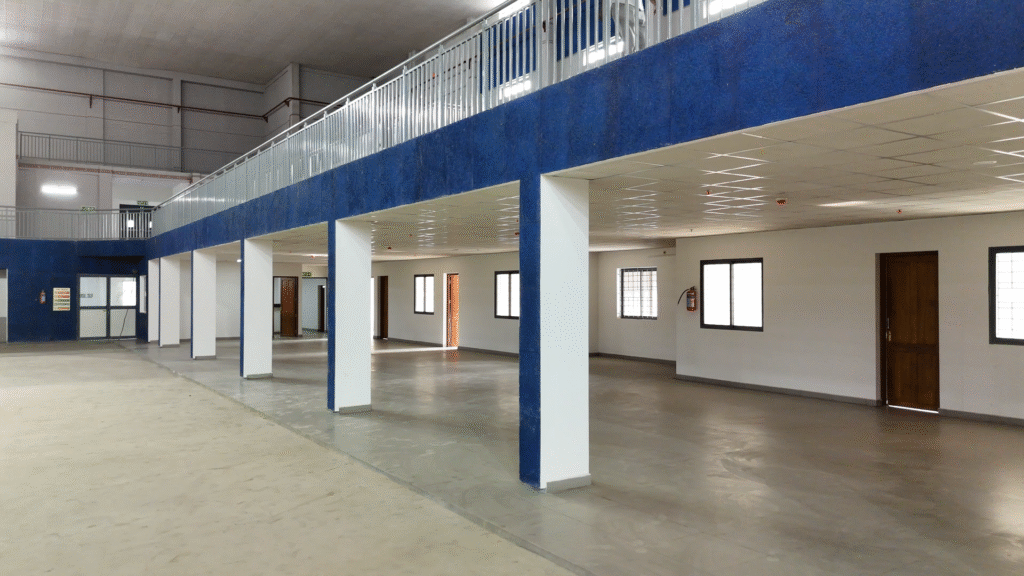
In addition to its engineering achievements, the Omkaranathan Indoor Stadium is an important civic center.
This building provides a venue for sporting activities and other events. Indoor stadiums are significant in fostering the development of sports culture among the populace. They provide athletes with an opportunity to train and compete in an indoor arena throughout the year.
In this case, the indoor stadium is expected to serve various sporting needs and make an impact in the development of sports in the district and state as well. Wayanad is known for producing great sporting talent. Therefore, this is an advantage to the district.
Lee Builders: Experience and Expertise in Construction
The successful execution of the Omkaranathan Indoor Stadium is an indication of the depth of knowledge that the company has in handling intricate construction works.
Lee Builders has been instrumental in the creation of various infrastructural developments in the state of Kerala over the years.
Projects of such magnitude do not simply require companies that excel in the construction arena. They require companies that have an in-depth knowledge of structural engineering.
The Omkaranathan Indoor Stadium Kalpetta stadium is an example of how all these facets come together in the hands of seasoned professionals.
Building Infrastructure that Lasts
These infrastructure initiatives are long-term investments that will contribute to the betterment of the community in the long term. Therefore, the quality of construction and the structural integrity of the infrastructure are of utmost importance.
Every aspect of the Omkaranathan Indoor Stadium, from its foundation to its roofing structure, has been executed with the principles of durability and safety in mind.
The use of quality materials and construction techniques, coupled with quality assurance procedures, has enabled the stadium to meet the standards set for a public infrastructure of such magnitude.
These infrastructure initiatives not only contribute to the betterment of the local community but also to the state’s infrastructure advancement.
A Landmark Achievement in Kerala’s Sports Infrastructure
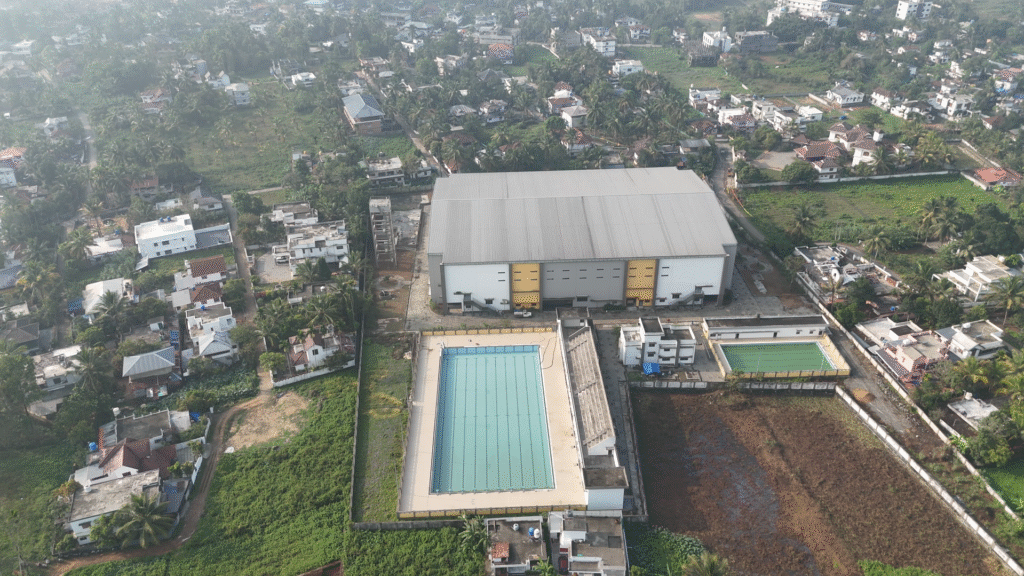
Omkaranathan Indoor Stadium, situated in Kalpetta, can be classified as a modern sports infrastructure and an example of engineering prowess. The 70-meter clear span of the Omkaranathan Indoor Stadium, coupled with its scale and purpose, makes it one of the most distinguished indoor sports infrastructures in the state of Kerala. The Omkaranathan Indoor Stadium serves as an example that difficult conditions and logistical issues can be overcome with meticulous planning, proficiency, and strong teamwork. The construction of the ₹38 crore Omkaranathan Indoor Stadium marks another significant milestone for Lee Builders in its journey of constructing quality infrastructure projects in the state.
Conclusion
The story of the construction of the Omkaranathan Indoor Stadium in Kalpetta is not just about the construction itself; rather, it is the story of the realization of an idea into reality amidst the challenging topography, inclement weather, and complex logistical requirements.
From the inception of the project until its successful completion, Lee Builders has played an integral part in overseeing and accomplishing each step of the construction process.
The end result is the modern indoor stadium that houses a 70-meter clear-span construction, completed within the stipulated time frame and ready to meet the needs of the residents of Wayanad for generations to come.
As the athletes prepare and compete within the confines of the indoor stadium, the construction itself will stand the test of time as an example of what can be accomplished through the excellence of engineering, hard work, and cooperation.