





Introduction
Marine fabrication is not like any other steel work. The tolerances are tighter, the consequences of failure are higher, and the environment the steel will operate in is among the most corrosive on Earth.
A structural component in a vessel hull, a jetty berth frame, or a dry dock gate will spend its service life in salt water, salt air, and constant mechanical stress. The fabrication quality built into that component at the workshop stage cannot be corrected once it is installed certainly not affordably, and often not safely.
This guide is written for project managers, naval architects, ship superintendents, and procurement teams who need to evaluate and appoint a marine steel fabrication partner. It covers what distinguishes genuine marine fabrication capability from general steel contracting, what to ask any prospective fabricator, and what to expect from a well-managed marine fabrication process.
Lee Builders has been delivering structural steel fabrication for shipbuilding and marine applications from our facility in Perumbavoor, Kerala since 1995 – working within one of India’s most active maritime corridors, with direct access to Cochin Shipyard, Cochin Port, and the Kerala inland waterway network
Table of Contents
What Makes Marine Fabrication Different from Standard Steel Work
The gap between a capable general steel contractor and a capable marine fabrication contractor is not primarily about welding skill it is about quality systems, documentation, material traceability, and the ability to work under third-party survey. Here is what sets marine work apart.
Material specification
- Marine structural steel must conform to classification society standards: Lloyd’s Register, Bureau Veritas, Indian Register of Shipping (IRS), or DNV GL – not simply IS 2062 or ASTM A36
- Hull and structural grades such as AH32, AH36, DH36, and EH36 have specific chemical composition limits and mechanical property requirements that standard structural steels do not meet
- Every plate and section must be accompanied by a mill certificate traceable to the specific heat of steel from which it was rolled – this traceability is non-negotiable for classification society approval
Welding standards
- All welding procedures for marine work must be formally qualified: Welding Procedure Specifications (WPS) and Procedure Qualification Records (PQR) prepared and approved to ISO 15614 or the relevant classification society standard
- All welders must hold current Welder Qualification Test (WQT) certificates for the specific joint type, welding position, and material grade they are working on
- Classification society surveyors witness key welding operations as part of the approval process – the fabricator must have the administrative systems to schedule, record, and respond to witness point requirements
Non-destructive testing
- NDT is mandatory at defined inspection points: radiographic testing (RT), ultrasonic testing (UT), magnetic particle inspection (MPI), and dye penetrant inspection (DPI) applied to specific joint categories and locations per the project ITP
- NDT personnel must hold recognised qualifications – PCN or ASNT Level II as a minimum for most classification society requirements
- NDT is not a final-stage activity – it is integrated throughout fabrication at defined hold points
Dimensional accuracy and distortion control
- Marine structures must achieve dimensional tolerances significantly tighter than general construction – hull frames and bulkheads that are out of tolerance create fit-up problems that are costly and time-consuming to correct once the structure is in the vessel
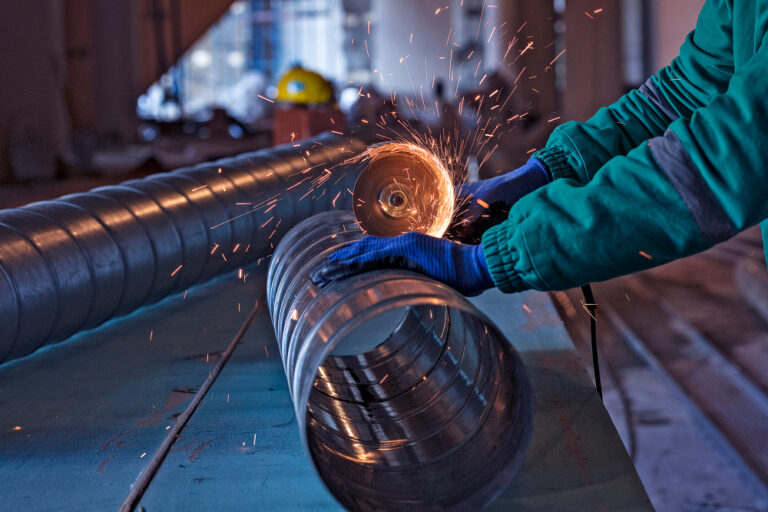
- Welding distortion is one of the most common problems in marine fabrication – controlling it requires proper joint design, correct welding sequence, pre-setting of components, and effective back-step and balanced welding techniques
Quality management and documentation
- Every operation must be documented: material receipts, cutting records, fit-up inspections, weld records, NDT reports, and dimensional surveys – all filed against the relevant component identity
- Classification society surveyors do not accept verbal assurances – the documentation package is the evidence of compliance, and it travels with the component throughout its service life
Types of Marine Steel Fabrication Work
Shipbuilding is the most widely understood application, but the range of marine fabrication work a capable structural contractor can support is considerably broader.
Vessel construction and repair
- Hull sections, frames, and sub-assemblies for new vessel construction
- Structural repairs and modifications to existing vessels during dry dock periods
- Deck equipment foundations, machinery seating, and engine room structural framing
- Wheelhouse, accommodation block, and superstructure framing fabrication
Offshore and port infrastructure
- Jetty, berth, and quay structural steelwork
- Mooring dolphin and breasting dolphin fabrication
- Gangway structures, accommodation ladder frames, and shore connection bridges
- Offshore platform structural components, equipment skid frames, and module support structures
Marine facility construction
- Dry dock gate and caisson structures
- Covered fabrication halls and boat sheds for shipyard facilities
- Slipway structures and vessel launching cradles
- Marine workshop, maintenance facility, and support building construction
Inland waterway and fishing sector
- Structural components for mechanised fishing vessels and country craft
- River ferry hull sections and pontoon structures
- Boat landing jetties, floating pontoons, and waterway infrastructure
8 Things to Look for in a Marine Fabrication Partner
Use this framework to evaluate any marine fabrication contractor before committing scope, cost, and schedule to them.
1. Classification Society Approval or Survey Experience
|
2. Qualified Welding Procedures and Certified Welders
|
3. In-House NDT Capability
|
4. Material Traceability Systems
|
5. Workshop Capability and Equipment
|
6. Dimensional Control and Distortion Management
|
7. Quality Management System
|
8. Track Record and References
|
The Kerala Advantage for Marine Fabrication
Kerala’s maritime sector is one of the most active in India and Ernakulam district sits at the centre of it. For a marine fabrication partner, geography matters: proximity reduces logistics cost and lead time for heavy structural components, and local knowledge of the sector’s clients and requirements is a genuine operational advantage.
Kerala’s maritime landscape
Organisation / Sector | Relevance to Marine Fabrication |
Cochin Shipyard Limited | One of India’s largest public sector shipyards active new-build and ship repair programmes |
Cochin Port Authority | Major container and bulk port with ongoing berth, jetty, and infrastructure development |
Kerala Inland Navigation Department | Active river ferry and inland waterway vessel construction and maintenance programme |
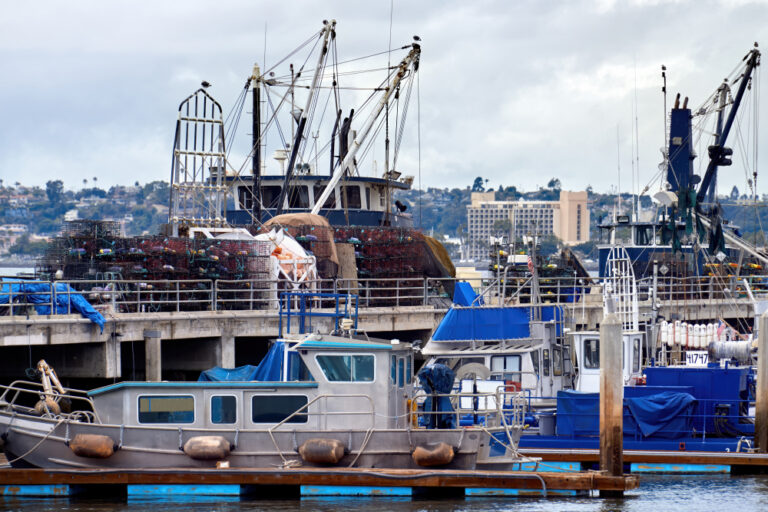
Fishing vessel yards | Construction yards at Beypore, Munambam, Vypeen, and Neendakara active small vessel sector |
Coastal and tourism vessels | Growing houseboat, ferry, and coastal cruise vessel sector requiring structural fabrication |
Port infrastructure development | Ongoing capital works at Cochin, Beypore, and Vizhinjam ports requiring marine structural steelwork |
The geographic advantage for Lee Builders
- Our fabrication facility in Perumbavoor, Ernakulam district has direct road access to Cochin Shipyard, Cochin Port, and the major inland waterway network reducing logistics cost and transit time for heavy fabricated components
- Proximity also enables closer coordination during fabrication: client representatives and classification society surveyors can visit the workshop without significant travel overhead
- Kerala’s skilled workforce has a long tradition of marine trades our team includes welders and fabricators with direct experience in marine application requirements, not just general structural work
- Established since 1995 – over 29 years of structural steel fabrication in the heart of Kerala’s industrial and maritime corridor
What to Expect from the Marine Fabrication Process
Understanding the stages of a well-managed marine fabrication process helps procurement teams plan their project schedule and know what deliverables to expect at each stage.
Stage 1: Technical review and pre-fabrication planning
|
Stage 2: Material receipt and traceability
|
Stage 3: Fabrication
|
Stage 4: Inspection, testing, and survey
|
Stage 5: Surface treatment, documentation, and delivery
|

Why Lee Builders for Marine Steel Fabrication
When you appoint Lee Builders for a marine fabrication project, you are working with a team that has been operating structural steel fabrication in Kerala’s industrial and maritime corridor for over 29 years.
| What we bring | What it means for your project |
| 29+ years of structural steel fabrication experience | Depth of production experience across structural, industrial, and marine applications |
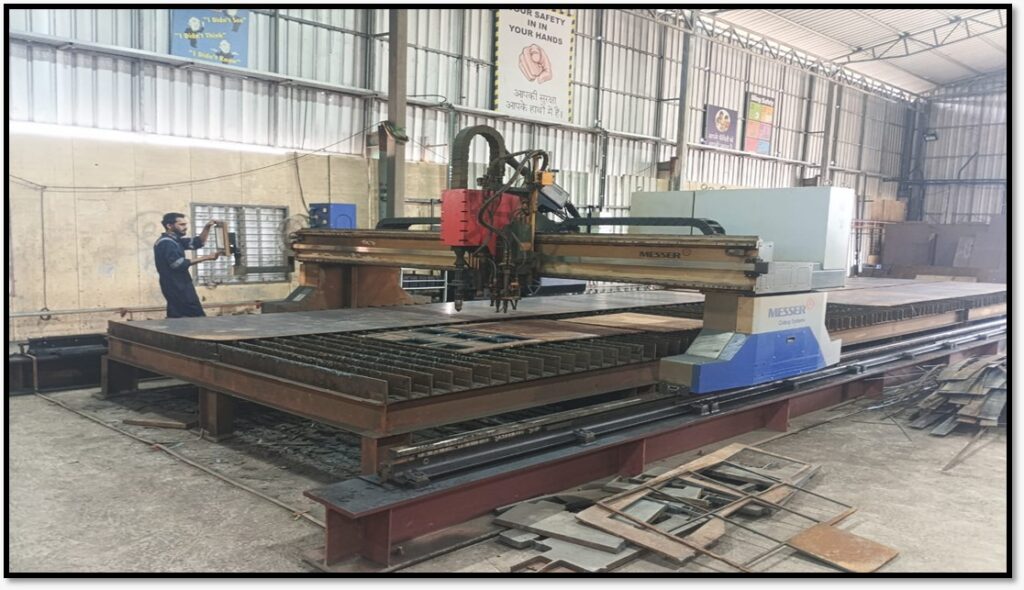
| In-house fabrication workshop, Perumbavoor, Kerala | CNC cutting, welding, assembly, and component handling under one roof |
| Marine application knowledge | Understanding of material specifications, weld quality requirements, and survey protocols |
| Direct access to Kerala’s maritime corridor | Road access to Cochin Shipyard, Cochin Port, and Kerala inland waterway network |
| Experience with third-party inspection requirements | Capability to support classification society survey and client witness point programmes |
| Full documentation capability | Material traceability, weld records, NDT coordination, and documentation package delivery |
| Parallel structural steel construction capability | Marine fabrication alongside PEB, warehouse, cold storage, and infrastructure projects single supplier for multi-scope programmes |
Conclusion
Marine fabrication demands a level of technical discipline, documentation rigour, and quality management that separates genuine marine contractors from general steel fabricators. The difference is not always visible in the finished weld it is embedded in the procedures, the certificates, the traceability records, and the survey readiness that allow a classification society to approve the work for marine service.
The eight criteria in this guide give procurement teams a reliable and comprehensive framework for evaluating any marine fabrication partner before scope, cost, and schedule are committed. Apply them consistently, ask for documentation rather than assurances, and you significantly reduce the risk of the rework, delays, and cost overruns that characterise poorly planned marine fabrication procurement.
Kerala’s maritime sector is one of India’s most active and Lee Builders is positioned within it, ready to support new-build fabrication, structural repair, port infrastructure, and marine facility construction across the full scope of what structural steel fabrication can deliver.